

On October 1st, SSE Airtricity gas prices are set to rise by almost 20%, putting more strain on household energy bills across Northern Ireland. Here’s what the increase means and what you can do to reduce your home’s energy costs.
For many households across Northern Ireland, heating your home is already one of the biggest monthly expenses. Now, with SSE Airtricity announcing a 19.2% increase to its regulated gas tariff from the 1st of October 2026, homeowners are facing another increase just as we head into the colder months of autumn and winter.
According to the Consumer Council, the increase will affect around 204,000 domestic gas customers across the Greater Belfast and West gas networks, as well as approximately 4,500 small commercial customers.
For a typical household paying by credit meter, the increase is expected to add around £174 to the annual gas bill, taking the typical annual cost from around £905 to approximately £1,079, according to Power To Switch. Prepayment customers are expected to see an increase of around £172, taking the typical annual cost to approximately £1,065.
Unfortunately, this isn’t the only recent pressure on household energy costs.
Read the Consumer Council’s news report here: SSE Airtricity to increase gas tariff by 19.2%
Heating oil prices are also on the rise
According to the Department of Economy, about two-thirds of homes in Northern Ireland still use home heating oil, making oil prices a major concern for households in here too.
Recent figures reported by The Irish News show just how quickly prices can move. The cost of a 900-liter oil fill increased by £52 in a single day, reaching around £851. The Consumer Council has also warned that oil prices remain particularly vulnerable to international events and market volatility
Why are gas prices increasing?
The latest increase is largely linked to rising wholesale gas costs.
The Consumer Council says the increase relates to recent increases in wholesale energy costs associated with the ongoing conflict in the Middle East. SSE Airtricity’s gas tariff is regulated, meaning changes are reviewed through the regulatory process rather than being set by the supplier alone.
The timing is also a pain point for homeowners. As temperatures drop and the heating goes back on more regularly, our gas consumption usually increases. The higher unit cost caused by the price increase may have a noticeable impact on household spending over the winter.
This highlights the wider issue for Northern Ireland homeowners – whether your home is heated by gas or oil, your heating costs can be heavily influenced by factors outside your control.
What can homeowners do?
While individual households can’t control wholesale energy prices, there are steps homeowners can take to reduce the amount of energy their property needs.
Improving the energy efficiency of your home can help reduce heat loss and make it easier to keep your home warm and healthy. Think about the following measures when trying to increase the energy efficiency of your home:
Loft and cavity wall insulation
Measures such as loft and cavity wall insulation can help retain heat. Insulating your loft, walls, and even your floors can prevent heat from escaping and keep your home warmer for longer. Good insulation doesn’t just reduce heating costs; it also adds value to your home.
Luckily, there are even grant schemes offered by NISEP to help homeowners in Northern Ireland improve the energy efficiency of their homes, including the Efficiency Plus Insulation Fully Funded, a fully funded grant towards loft and/or cavity wall insulation. Find out more by clicking the button below:
Boiler Replacement
For homeowners with an ageing gas boiler, it may also be worth considering whether replacing it with a modern, more efficient model could help reduce energy consumption.
According to Power to Switch, many homes in Northern Ireland have an older oil boiler, often being only 60%-65% efficient, meaning that for every £100 spent on oil, £35–£40 is wasted. If you have an old oil boiler and live in a gas grid area, switching to an efficient gas boiler could be a great option to improve your energy efficiency and reduce your energy bills in tow.
Looking beyond oil and gas
The latest rise in the cost of gas is also a reminder of how much household heating costs in Northern Ireland can depend on fossil fuel prices.
Heat Pumps
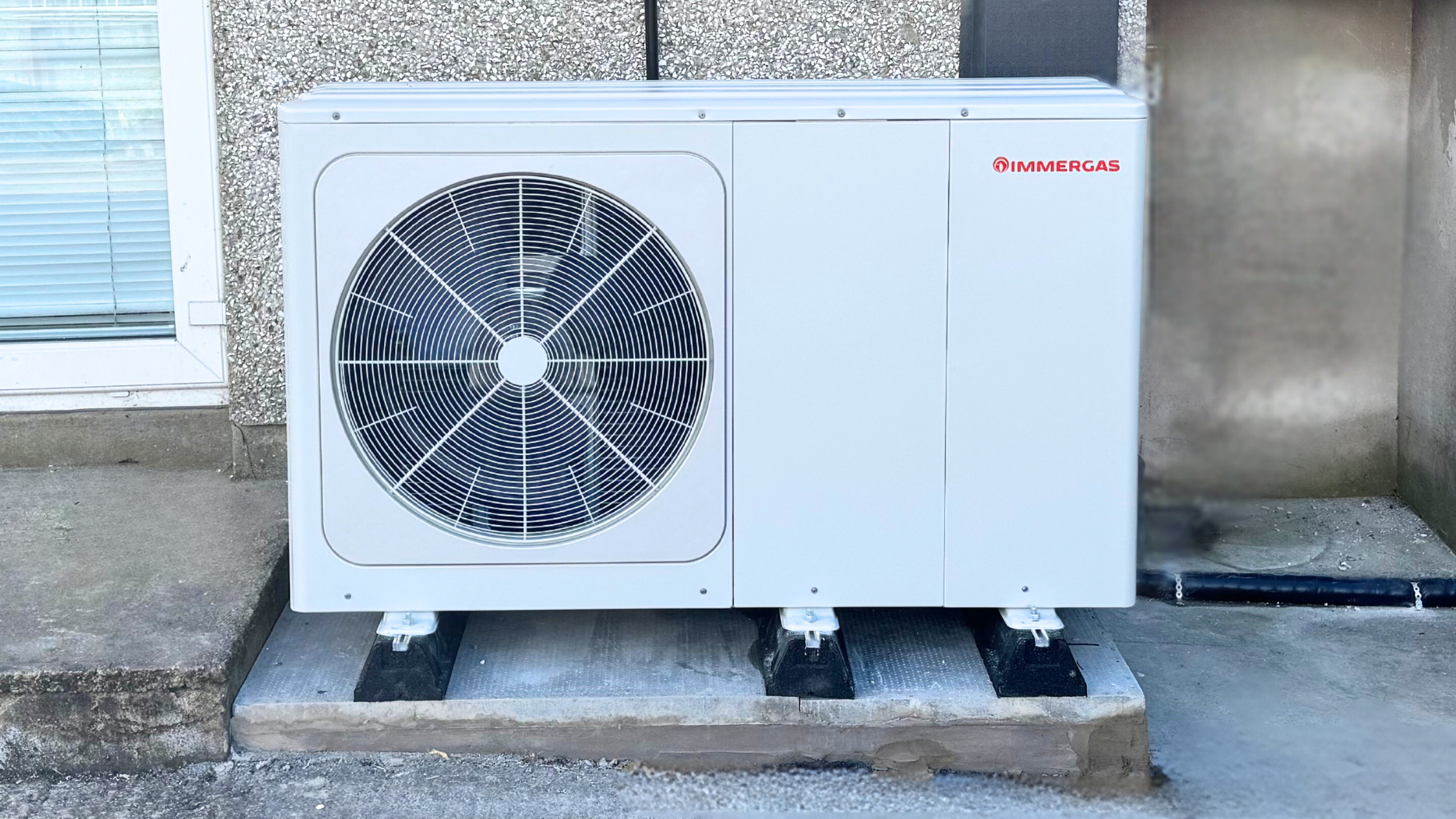
Air source heat pumps and other long-term solutions that require little or no dependence on fossil fuels can be good options for homeowners considering longer-term improvements. Air source heat pumps use electricity to extract heat from the outside air, even in cold temperatures, and use it to heat your home and hot water. Or, if you already have a gas boiler, you might want to consider installing a hybrid heat pump which uses electricity to draw heat from the air while your gas boiler works to heat your hot water.
Heat pumps usually have a higher efficiency rating than traditional heating systems. This means they produce more heat per unit of energy and lower energy bills over time.
Solar panels & battery storage
Solar PV and battery storage can help households produce and consume more of their own electricity. With solar panels and battery storage, you can generate, store, and use more of your own power, reducing your reliance on the grid and protecting you from rising energy prices.
At Refresh NI, we provide a range of energy-efficient home improvement services across Northern Ireland, including insulation and boiler replacements, as well as renewable solutions like heat pumps, solar PV, and battery storage.
There isn't one solution for every home
The best way to reduce your energy bills and ensure you have a warm and healthy home isn’t necessarily to replace your heating system.
Making your home more energy efficient can involve improving insulation, upgrading your heating system, and generating your own energy, but not all technologies will be suitable for all properties. The best option will depend on the construction and energy efficiency of your home, your existing heating system, and how you use energy.
While we can’t control wholesale energy prices or international events, we can control how efficiently our homes use energy. Doing something now, before the colder months come, could help you reduce energy consumption, improve comfort, and make your home less vulnerable to future price increases.
At Refresh NI, we provide a range of energy-efficient home improvement services across Northern Ireland, including insulation and boiler replacements, as well as renewable solutions like heat pumps, solar PV, and battery storage. Contact us today to talk about how we can help you make your home more energy efficient.
FAQs About SSE Airtricity Gas Prices
When are SSE Airtricity gas prices increasing in Northern Ireland?
SSE Airtricity gas prices are increasing by 19.2% from 1 October 2026. The increase will affect domestic customers across the Greater Belfast and West gas network areas.
How much will SSE Airtricity gas prices increase by?
The regulated gas tariff is increasing by 19.2%. For a typical credit-meter household using 12,000kWh of gas per year, this is expected to add around £174 to the annual bill, taking it to approximately £1,079.
Why are gas prices increasing?
The increase is linked to higher wholesale gas costs. The Consumer Council says recent increases in wholesale energy costs have been influenced by the ongoing conflict in the Middle East.
What is the best way to make my home more energy efficient?
Every home is different, so the most effective energy improvements will vary from property to property. Factors such as the age and construction of your home, its current insulation and heating system, and your household’s energy needs can all influence what will work best. Depending on your circumstances, this could mean improving insulation, upgrading your heating, adding solar and battery storage, or combining several measures.
Recent Comments